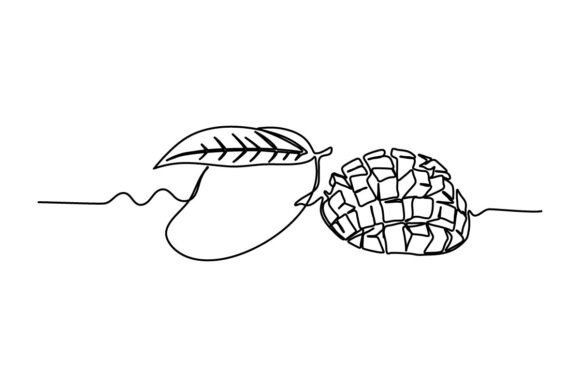
Mango One Continuous Line: A Graphics Asset for Modern Editorial Design
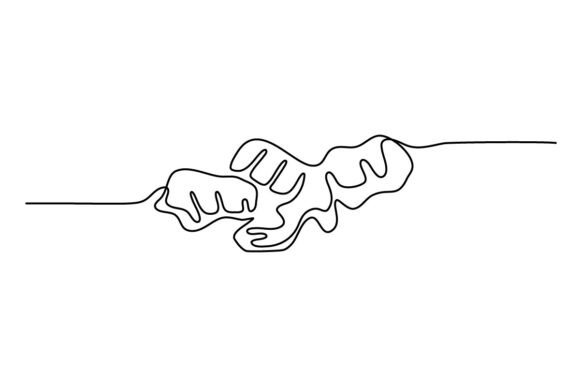
As a blog designer, my first look at a new graphic asset is always about visual communication. When I opened Mango One Continuous Line, the immediate impression was one of clean, artistic simplicity. This isn’t a loud, colorful fruit illustration. It’s a single, unbroken line tracing the elegant form of a mango against a white background. This creates a specific editorial mood: modern, minimalist, and quietly sophisticated. It feels artistic, decorative, and leans towards a lifestyle-focused or wellness niche, perfect for content that wants to appear polished without being overly playful.
The Editorial Mood of a Single, Elegant Line
This design asset communicates quality. In a world of busy blog graphics, its simplicity stands out. For readers, a graphic like this signals a thoughtful, clean presentation. It builds reader trust by suggesting the content itself is curated and valuable. It naturally supports niches around health, tropical lifestyle, clean eating, artistic inspiration, travel, or minimalism. It wouldn’t fit a highly corporate or serious financial blog, but for a creative entrepreneur, educator, or affiliate marketer in the right space, it’s a powerful tool for establishing a stronger visual identity.
From EPS Files to Real Publishing Projects: A Practical Workflow
Let’s move from impression to application. You receive the files: EPS, SVG, and JPG. This format flexibility is crucial for a digital publisher. Here’s how I would deploy Mango One Continuous Line in a real content publishing week.
Monday: I’m preparing a blog post about “Summer Superfoods.” The article needs a featured image. I place the mango line graphic on a soft background, overlay a clean sans-serif headline, and instantly have a blog graphic that looks professional and clickable. The visual hierarchy is clear: the elegant mango draws the eye, then the text informs.
Tuesday: That same post needs promotion. I adapt the graphic into a tall Pinterest pin, using the mango as a decorative accent beside the title. Its continuous line style feels inherently artistic, perfect for Pinterest’s visual audience. For a newsletter header announcing a new guide, the SVG file allows me to scale it perfectly without loss, creating a crisp banner that elevates the entire email’s presentation.
Wednesday: I’m packaging a “Tropical Wellness Guide” as a lead magnet. The JPG file of the mango design becomes the cover image on the PDF and the thumbnail on the download page. This consistency—using the same asset across blog, social, and digital product—reinforces brand identity and makes the offer feel cohesive.
Thursday: Creating category thumbnails for my blog’s “Recipes” section. The mango illustration, subtly colored, becomes a recognizable category visual. Readers begin to associate that clean graphic with a certain type of content, improving category recognition.
Friday: Designing a set of social media graphics for an affiliate content series. The minimalist design works beautifully in square Instagram posts or Facebook ad visuals, where a clear, uncluttered image can drive better click-through potential. It also integrates seamlessly into Canva templates for quick future use.
Where This Graphic Asset Amplifies Content Performance
The strength of Mango One Continuous Line lies in its versatility within a defined style. It supports content performance in several key areas.
- Stronger First Impression: On a homepage or blog roll, a thumbnail featuring this clean graphic stands out against more chaotic images.
- More Consistent Branding: Using this single asset across website header, blog graphics, and printable design resources creates a unified look.
- Improved Reader Trust: Polished, intentional editorial design suggests credible, valuable content.
- More Professional-Looking Pages: Whether an article header, a digital guide interior, or a media kit, the asset elevates the page’s perceived quality.
The Ideal Publishing Formats for This Continuous Line Design
Based on its style, here are the formats where this graphic design asset will work best.
- Hero Images & Website Banners: Its simplicity scales beautifully for wide header areas.
- Article Thumbnails & Featured Images: Creates instant visual appeal for blog posts.
- Pinterest Pins & Social Media Previews: The artistic line is perfect for visual platforms.
- Editorial Accents & Content Upgrade Decor: Inside eBooks or worksheets as a decorative element.
- Downloadable Resources & Newsletter Headers: For lead magnets and email branding.
Publisher Notes: Careful Application & Technical Checks
Even excellent assets require thoughtful use. For Mango One Continuous Line, keep these notes in mind.
- Use Carefully on Small Mobile Thumbnails: The single line might become too subtle when scaled down extremely small. Test it.
- Avoid Busy Layouts: Its power is in its minimalism. Don’t drown it in competing textures or complex backgrounds.
- Check Contrast on Text-Heavy Blog Images: If overlaying extensive text, ensure the line art doesn’t clash with readability.
- Preview in Real Layouts: Always test the asset inside your actual blog theme or website template before finalizing.
- Experiment with Typography: Try pairing it with a sharp sans-serif font for a modern look, a classic serif for elegance, or even a delicate script font for a feminine, lifestyle vibe.
- Review File Size & Compression: For web use, especially the JPG, ensure it’s optimized for web performance to keep your pages fast.
- Confirm Commercial Licensing: Before using on monetized affiliate pages, paid digital products, or small business branding, always verify your license covers commercial design use. This is non-negotiable for professional publishers.
Beyond the Blog: Supporting Your Entire Content Ecosystem
For the content creator, blogger, or online educator, a versatile asset like this is more than a single blog graphic. It becomes a pillar of your visual communication system. Mango One Continuous Line, with its continuous flow and clean execution, can anchor your content marketing across channels. It helps your work look intentional, connected, and professionally published—key factors in building an audience and a sustainable creative business in today’s digital landscape. When your graphics are polished, your content feels more clickable, more trustworthy, and ultimately, more valuable.