A Seamless Lace Flower Border for Timeless Embroidery
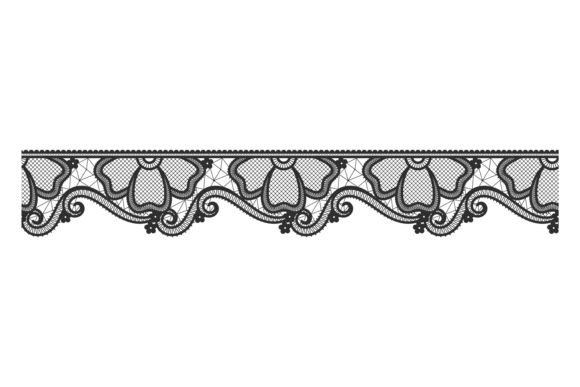
As a designer who regularly evaluates graphics for embroidery application, I approached the Lace Flower Ornament. Seamless Border Wi with a specific, practical lens. My immediate thought was not just about the file itself, but about how it would translate into stitches on fabric, how it would feel in a client's hands, and what kind of story it could tell on a finished product.
The Delicate First Impression: Elegance Without Excess
This lace flower border design creates a mood of refined, understated elegance. It’s decorative without being ostentatious. The seamless pattern and floral motif speak to a classic, almost vintage sensibility, yet the clean vector lines suggest it will adapt well to modern embroidery techniques. The detail level strikes a balance; it’s intricate enough to feel special but not so dense that it becomes a stitching challenge or loses clarity on fabric. Visually, it feels like it belongs on items meant to be cherished—gifts, heirloom-quality pieces, or boutique products where presentation is paramount.
Where This Lace Border Finds Its True Home
Let’s picture a real scenario: I’m preparing a custom embroidered linen pillow cover for a wedding gift. I need a border that feels celebratory, delicate, and cohesive. The Lace Flower Ornament. Seamless Border Wi immediately comes to mind. Its seamless nature means I can run it gracefully along the pillow’s edge without awkward breaks, creating a finished, professional look. The floral pattern adds a soft, personal touch without being overly gendered or thematic. In this application, the design performs beautifully.
This thinking extends to numerous real-life embroidery situations. For custom apparel like the cuffs or collars of a premium sweatshirt, it adds boutique branding. On a tote bag, it elevates a simple accessory into a handmade statement piece. Imagine it framing a name on a baby blanket or adorning the hem of a tea towel—it brings a gentle, decorative accent that customers respond to positively. For Etsy sellers and craft fair products, this design enhances perceived value; it looks considered and designed, not just slapped on. In commercial embroidery projects for small shops, it offers a consistent, repeatable decorative element for a line of products, aiding brand consistency.
Practical Strengths in Stitching and Presentation
The seamless quality is a major functional benefit. It allows for continuous embroidery on long edges, which is ideal for pillow covers, aprons, or the borders of blankets. The decorative pattern, when stitched, likely uses a combination of satin stitch for smooth fills and running stitch for delicate lines, which can create lovely texture. This affects visual appeal and stitching clarity directly: a well-defined vector design typically converts to an embroidery file with clear paths, reducing stitch hiccups and ensuring the final product looks crisp. That crispness builds customer trust and projects professionalism. For a personalized gift, this level of finish increases its giftability; it feels purposely made, not merely customized.
Caution and Consideration: Where to Use Carefully
While this design is versatile, its application requires some thoughtful judgment. On very small hoop sizes, the intricate floral details might become lost or too compact, leading to potential stitch density issues. It would need careful testing on textured fabrics like thick sweaters or on stretchy fabric where stabilizer choice is critical to prevent distortion. Embroidering it on dark fabric demands a thoughtful thread color contrast plan—light, creamy threads would make it pop, but the design’s fine lines could get muted if color choices are off.
Applying it to curved surfaces like caps requires planning for the border’s seamless flow; it may need digital adjustment to follow the curve perfectly. Also, on products destined for frequent washing, such as kitchen towels or baby clothes, ensuring the stitch structure is secure and using quality threads is essential to maintain the design’s delicate integrity over time.
Embroidery Designer Notes for Real-World Success
Before committing this design to a client project or listing it in my shop, I follow a disciplined process. First, I always test the design on scrap fabric first. I would run a section of this lace border on the actual material I plan to use—linen, cotton canvas for a tote, or fleece for a sweatshirt. This reveals how the fabric texture interacts with the stitches.
- Check thread color contrast in both light and dark fabric mockups, even digitally, to preview the final look.
- Review stitch density in the embroidery file itself to ensure it’s suitable for my chosen fabric weight.
- Confirm hoop size capability; a seamless border often needs a hoop that can accommodate the longest continuous segment I intend to stitch.
- Inspect small details like the flower centers or connecting lines to ensure they will stitch out cleanly and not become a blur of threads.
- I would use proper stabilizer, especially for lighter or stretchy fabrics, to preserve the design’s sharpness.
- Critically, I check whether the design works for both personal and commercial projects by confirming its licensing terms before selling any finished product or using it in my digital product previews and printable mockups.
Since the product description lists it as a vector illustration in formats like EPS and SVG, it’s clear this is a versatile digital embroidery file and design asset. However, the exact stitch count, specific machine compatibility, and detailed license are not provided here. Therefore, my final, strongest advice is to confirm those essential technical and legal details directly from the source before proceeding with any commercial use. This protects your craft business and ensures the beautiful embroidered patch, holiday embroidery gift, or line of small shop product you create is built on a solid foundation.
The Final Stitch: A Design That Adds Quiet Value
In summary, the Lace Flower Ornament. Seamless Border Wi stands out as a design that adds quiet, sophisticated value to an embroidery project. It’s not a loud statement piece but a harmonious accent that elevates the base item. For the creative entrepreneur, it offers a reliable, aesthetically pleasing element for a range of products. Its true test is in the stitching—and with proper preparation, testing, and attention to fabric and context, it can become a signature detail that enhances handmade presentation, deepens buyer engagement, and turns a simple item into a kept one.