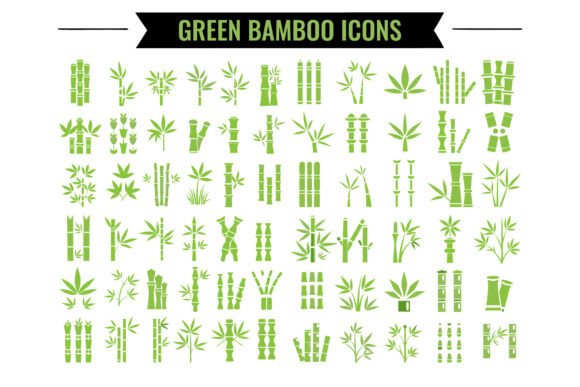
Practical Review: The Green Bamboo Icons Embroidery Set
From the moment you open this set, the mood is clear: quiet, organic, and effortlessly elegant. The SVG Green Bamboo Icons Collection presents a series of minimalist bamboo leaf and stalk illustrations. Their strength lies in their simplicity—clean lines, gentle curves, and an overall aesthetic that feels both modern and timeless. For an embroidery designer, this isn't just a graphic; it's a versatile starting point with a specific visual personality. It whispers rather than shouts, suggesting projects that are calming, natural, and rooted in a sense of quality.
The Kind of Project This Design Belongs To
I immediately pictured this design on a custom embroidered linen tote bag for a boutique. The bamboo icons don’t dominate the space; they complement it. This collection naturally gravitates towards eco-friendly, organic, and nature-inspired projects. Think of a simple bamboo stalk embroidered on the corner of a high-quality tea towel, a small cluster of leaves on a baby’s cotton blanket for nursery decor, or a single, clean icon on the breast pocket of a relaxed-fit sweatshirt. Its minimalist nature makes it a perfect candidate for personalized gifts—think wedding gifts, holiday presents, or everyday items where the artistry is subtle. For a small business owner or Etsy seller, this set offers graphics that elevate handmade presentation without being overly complex to stitch.
Where These Bamboo Icons Excel in Real Embroidery Work
In practical application, this simplicity translates to stitching clarity. On custom apparel like t-shirts or sweatshirts, the clean lines should translate well into satin stitches or crisp running stitch outlines, depending on the final embroidery file conversion. For embroidered patches, the distinct shapes would be easy to recognize and likely stitch cleanly on a suitable stabilizer. When planning a line of craft fair products or small shop merchandise, such as apron designs or pillow covers, these icons can become a consistent branding element. They lend a sense of professionalism and cohesive visual appeal across different products. For digital product sellers creating printable mockups or previews for customers, the minimalist forms look sharp and sell the idea of a refined finished product.
Its value in commercial embroidery projects is its adaptability. You could use one icon for a small logo on a cap, or combine a few for a larger scene on a tote bag design. For baby embroidery on rompers or keepsake blankets, the gentle theme feels appropriate and safe, likely engaging buyers looking for a soft, natural aesthetic. The design assets here are less about dense fill stitches and more about elegant outlines and negative space, which often stitches faster and can be more forgiving on various fabric textures.
Points to Consider Before Hooping Your Fabric
While the design appears straightforward, its successful translation to thread depends on mindful execution. First, always test the design on scrap fabric first. This is crucial. Check how the smallest details, like the tiny leaf tips or slender stalks, render at your intended hoop size. On textured fabrics like some linens or on stretchy fabric, those fine lines might need adjustment or a very robust stabilizer to maintain clarity.
Thread color contrast is paramount. These are icons, not dense pictorial fills. On dark fabric backgrounds, you'll need to choose thread colors that pop enough to maintain the design's integrity without losing its minimalist feel. Conversely, on light fabrics, a subtle, natural green palette would enhance the organic mood. Be mindful of stitch density in conversion; too dense a fill on the stalk areas could make them bulky, especially on thinner fabrics like those used for kitchen towels.
Also, consider the end use of the product. For items that need frequent washing, like apparel or baby clothes, a clean, stable embroidery with secure stitches will ensure longevity and maintain customer trust in your handmade product. On curved surfaces like caps, review how the linear design adapts to the curvature in your digital embroidery file preview before stitching.
How This Collection Affects Your Craft Business and Customer Appeal
Using the SVG Green Bamboo Icons Collection isn't just about stitching a design; it's about offering a specific experience. This set elevates product value by associating it with calm, nature, and quality. For a creative entrepreneur, it supports brand consistency if your shop leans towards sustainable, minimalist, or wellness-oriented goods. The giftability of items adorned with these icons is high—they feel considered and special.
From a buyer engagement perspective, a well-embroidered bamboo icon on a tote bag or pillow cover communicates a story. It suggests an eco-conscious choice, a love for simple beauty, and an appreciation for craftsmanship. This can differentiate your Etsy listings or boutique branding from more generic offerings. The recognition factor is clean and modern, appealing to a customer looking for something beyond busy, traditional patterns.
Essential Designer Notes Before You Start Your Project
- Always confirm the licensing terms for this graphics collection before selling finished items or commercial embroidery projects.
- Check the specific file formats and compatibility with your machine embroidery system. The product description notes it's an SVG set, but you'll need to ensure your software can convert it to a suitable embroidery file format with appropriate stitch types.
- Test the design in black and white mockups to evaluate form independently from color.
- Compare how it looks conceptually on both light and dark fabric backgrounds in your design software.
- Use a proper stabilizer suited to your target fabric to preserve the clean lines.
- Check whether the design works for both personal and commercial projects according to its license—this is a fundamental step for any craft business.
In summary, the SVG Green Bamboo Icons Collection is a thoughtfully minimalist set that, with careful embroidery preparation, can become a versatile and valuable asset. It suits projects where understated elegance is the goal, and its successful application hinges on a designer’s attention to fabric, thread, and stitch execution. When done right, it turns a simple graphic into a compelling story stitched into cloth.