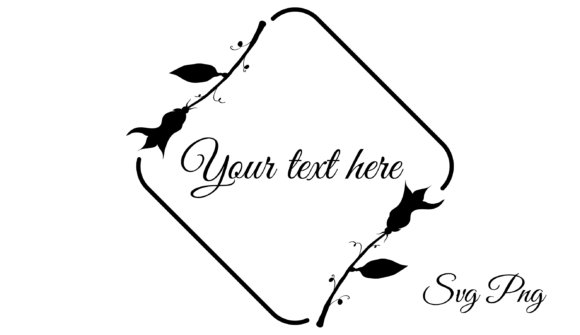
Romantic Frame: A Practical Embroidery Design Review
I’m staring at the Romantic Frame on my screen, a delicate swirl of curves and leafy flourishes floating on a transparent background. I’m planning a custom tote bag for a bridal shower — something soft, elegant, and personal. The bride’s initials will sit inside this frame, and I need to know if it can actually stitch out cleanly, hold its charm on textured fabric, and make a finished product that feels high-end. That’s where the real design judgment begins. This isn’t about a pretty preview; it’s about how an embroidery machine translates these lines into thread, and whether the result will make a customer’s eyes light up.
First Impression: The Soul of the Frame
The Romantic Frame doesn’t scream for attention. It whispers. The composition feels airy, with gentle organic shapes that suggest a garden trellis, trailing vines, or a vintage hand-drawn motif. There’s a softness in the corners that avoids the rigid, boxy look many decorative borders suffer from. As a designer who has digitized countless frames for handmade product lines, I look for how the negative space will breathe after stitching. This frame has enough openness to let a name, date, or tiny monogram feel nestled rather than trapped. For a personalized gift like a wedding handkerchief or a baby’s first Christmas ornament, that emotional placement matters deeply.
The mood is undeniably romantic but not sugary. It has a timeless quality that would work for anniversary keepsakes, boutique floral arrangements, or even a subtle logo treatment for a craft business. Because the design assets come in both SVG and PNG formats with a transparent background, isolating the linework for digitizing is straightforward. You won’t spend half an hour cleaning up stray pixels. That alone makes it a practical choice for an Etsy seller who needs to move quickly from concept to a finished embroidery file.
Where This Frame Shines in Embroidery Projects
I mentally place the Romantic Frame into a dozen different products before I ever load a bobbin. Here’s where it naturally belongs:
- Custom tote bags — The frame creates a focal point on the pocket or upper center, perfect for a monogram or short phrase.
- Sweatshirt embroidery — A small version on the left chest or a larger placement on the back yoke adds a soft, personalized touch without overwhelming the garment.
- Baby items — Think delicate birth announcement pillows, muslin swaddle corners, or tiny dress yokes. The design’s gentleness suits delicate skin and nursery aesthetics.
- Aprons — A cook’s apron with this frame and a cute nickname inside becomes a boutique-quality gift.
- Bridal and wedding gifts — Ring bearer pillows, handkerchiefs, or a zippered pouch for the bride’s essentials. The Romantic Frame feels like it was made for this.
- Holiday embroidery — A seasonal version with a “Merry Christmas” script inside can turn a simple tea towel into a cherished heirloom.
What I appreciate as a reviewer is the design’s versatility. It’s not locked into one gender or age group. A small business owner can use the same frame for a line of baby blankets, then pivot to create a “cozy coffee” themed line for mugs and kitchen towels. The transparent background means you can mock it up on any product photo quickly, creating a printable mockup that helps customers visualize the finished product before they buy.
Stitch Reality: How the Frame Behaves on Fabric
Now, the hard part. Elegant on-screen curves don’t always translate to clean thread. When I test a design like this, I’m looking at the thin, tapering vine ends. Those delicate tips can turn into messy blobs if the stitch density isn’t dialed in. Since the Romantic Frame is a graphic, not a ready-to-stitch embroidery file, you’ll need to digitize it yourself or send it to a professional digitizer. I strongly recommend using a combination of satin stitch for the main outline and running stitch for the delicate inner details. A fill stitch could work for the heavier leaves if you want a textured look, but keep the density moderate — around 0.4mm spacing — to avoid puckering on lightweight fabrics.
Let’s talk about hoop size. The frame’s complexity means you need enough space for the machine to move without distorting the corners. I would not attempt this below a 4x4 inch hoop, and even then, the detail would be very tight. A 5x7 or larger hoop gives the design room to breathe. That’s a crucial consideration for someone using a smaller home embroidery machine. If you’re planning to sell embroidered patch versions, you’ll want to scale it up slightly so the satin border doesn’t become a thread jam. Always test on scrap fabric first — I learned that the hard way with a similar swirl frame that turned into a blob on denim.
Fabric and Stabilizer: The Real-World Test
I’ve stitched ornate frames on everything from cheap canvas to silk. The Romantic Frame will look best on stable, medium-weight fabrics. For a tote bag design, a sturdy cotton canvas with a cut-away stabilizer is your friend — the stabilizer supports those fine lines through repeated washing. On a sweatshirt, use a no-show mesh stabilizer on the back and a water-soluble topper on the front to prevent the knit from swallowing the stitches. Avoid super stretchy fabrics unless you’re prepared to use a heavy fusible interfacing, because the frame’s symmetry will warp if the fabric shifts.
Dark fabrics present a challenge. The design’s transparent background means you can place it over any color, but the thread contrast must be high. A soft pastel pink thread on a black hoodie might disappear. I always test the design in a black-and-white mockup before committing to thread colors. This helps me spot areas where the line weight might be too thin to read. For a baby embroidery project on a pale pink onesie, a soft ivory or blush thread might look dreamy, but on a forest green apron, a cream or gold thread would pop beautifully.
Commercial Use and Selling Finished Products
If you’re an Etsy seller or run a small shop, the Romantic Frame can become a signature design element. But here’s the honest truth: you need to confirm the license terms before you stitch it onto items for sale. The product description mentions it’s available in SVG and PNG formats, ideal for design assets and digital embroidery file creation. However, as a reviewer, I can’t assume the license covers commercial physical products. Always check whether the license permits selling finished items, because some graphics are only for personal use. A quick email to the creator saves legal headaches later.
Assuming commercial use is allowed, the frame offers a huge boost to brand consistency. Imagine a small shop’s entire line of handmade product — from tea towels to pillow covers — featuring the same elegant frame with different center text. Customers start recognizing that signature look. It builds trust and makes your booth at a craft fair look cohesive. When I used a similar frame for a holiday collection, repeat buyers came back specifically because they associated that delicate border with quality.
Giftability and Customer Perception
There’s something about a framed personalization that elevates a simple item into a keepsake. When I embroidered a tote bag with a bride’s name inside the Romantic Frame, people at the shower asked where I bought it. They assumed it was a high-end boutique piece. That’s the power of a well-chosen frame. It adds perceived value. For a baby embroidery gift, a frame makes the child’s name or birth date feel intentional rather than just plopped onto a blanket. The presentation matters, and the design’s ornate yet airy personality hits that sweet spot between fancy and wearable.
Practical Designer Notes Before You Stitch
Here’s my checklist, built from years of testing machine embroidery design elements like this:
- Test on scrap fabric — Use the same fabric and stabilizer you plan for the final project. Run a full stitch-out and check for thread breaks, puckering, and corner sharpness.
- Review thread color contrast — Hold the test piece under different lighting. A color that looks perfect in thread may vanish on certain fabrics.
- Check stitch density — If you digitize the Romantic Frame yourself, simulate the stitch-out in your software. Look for overly dense areas that could cause needle breaks, especially where multiple lines converge.
- Confirm your hoop size — Measure the exact design dimensions after digitizing. Don’t guess; even a few millimeters over the hoop’s limit can ruin a project.
- Inspect small details — The delicate inner tendrils might need a slightly wider column width to stitch cleanly. A 1.5mm satin stitch column is often the minimum for reliable results.
- Test in black and white — Desaturate your mockup. If the frame’s details disappear, you’ll need a thicker outline or different thread choice.
- Use proper stabilizer — Cut-away for knits, tear-away for wovens, and always a topper on textured or plush fabrics.
- Verify licensing — Do not skip this step if you plan to sell the finished product as part of your craft business.
When the Romantic Frame Might Not Be the Right Choice
I have to be honest: this frame won’t suit every project. On a heavily textured fabric like a thick terry cloth towel, the fine swoops will lose definition fast. On a curved surface like a structured cap, the symmetry will demand perfect placement and a skilled hand — one slight misalignment and the whole frame looks crooked. For tiny items like a baby bib, the detail might become illegible, and the stitch density could make the fabric stiff. If you’re targeting a rugged, masculine look, this frame’s romantic vibe might feel out of place. But for the right project, it’s a gem.
My Honest Take as a Designer
The Romantic Frame is a thoughtful, well-composed graphic that translates beautifully into embroidery — if you respect its delicate nature. It’s not a design you can rush. The transparent background and clean file formats (SVG and PNG) make it a versatile asset for both digital embroidery file creation and printable mockup use. As a Graphics asset in the Illustrations category, it’s precisely the kind of foundational design that small shop owners and creative entrepreneurs need. I’d stock it in my own design library without hesitation, and I’d recommend it to any maker who values soft, romantic, and timeless details. Just remember: the frame is the star — let it elevate your project, and your customers will notice the difference.