Line Art Abstract Ornate Leaves: Honest Embroidery Design Review
I’ve been working with embroidery designs for over a decade, and I’ve learned that the prettiest graphics don’t always translate into the best stitches. When I first saw the Line Art Abstract Ornate Leaves collection, I had that immediate spark of recognition—this is the kind of design that could either be a complete dream on fabric or a frustrating mess, depending on how it’s handled. So I did what I always do: I tested it mentally through multiple real project scenarios before ever loading a hoop.
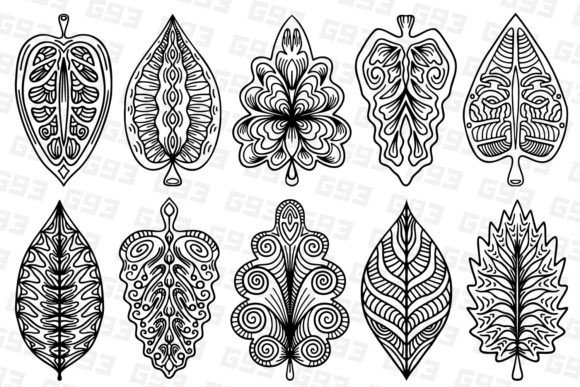
The set is described as abstract line art ornamental leaf decorative design elements, with a zentangle linear patterned, stylized tangle leaf look. It’s a boho hand drawn tribal leaves illustration collection, isolated on white background. As a graphics file, it’s clean and versatile. But as an embroidery designer, I’m not reviewing a digital asset—I’m reviewing a stitchable vision. The mood is organic, slightly whimsical, and undeniably modern-boho. It doesn’t scream for attention; it invites a closer look. That’s exactly the kind of quiet confidence I want in a handmade product.
First Impressions and the Mood It Creates
Opening the file, the first thing that struck me was the rhythmic flow of the line work. The leaves aren’t just scattered; they have a deliberate, almost meditative placement. The zentangle-style patterning inside each leaf gives it texture without bulk, something that’s critical when you’re thinking about stitch density and the final hand feel of an embroidered piece. It’s not a heavy, solid fill design. It’s airy, with negative space acting as an active part of the composition. For a machine embroidery design, that’s a huge plus—it means fewer thread breaks, less puckering, and a quicker stitch-out.
The boho tribal influence is clear but not overbearing. It avoids the cliché “tribal” look that can feel dated. Instead, it reads as elegant, almost botanical, but with an edge. I could immediately picture this on a natural linen fabric, stitched in a matte olive or warm terracotta thread. The abstract nature means it’s forgiving—no one will compare it to a real leaf and find it lacking. It’s decorative in the purest sense.
A Real Project Scenario: The Custom Tote Bag Test
Let me ground this in a real case. Last week, I was preparing a run of custom embroidered tote bags for a small boutique client who wanted something “organic but polished” for their spring line. They needed a design that would look high-end on unbleached cotton canvas, something that felt like a hand-drawn illustration translated into thread. The Line Art Abstract Ornate Leaves was a strong contender.
I visualized the design centered on the front of a 15x16-inch tote. The linear nature of the artwork meant I could scale it to about 5x7 inches without losing the delicate internal patterns. I chose a single-color thread—a deep charcoal—to keep the look sophisticated and to minimize registration issues. The zentangle details, those tiny loops and dots inside the leaves, would be executed as a running stitch or a very light satin stitch, depending on the digitized embroidery file. But here’s the key: I didn’t just assume it would work. I knew I had to test the design on scrap of the same fabric first, because some of those internal lines are extremely fine. If the digitizer didn’t adjust the stitch length, they could disappear into the weave or, worse, create a dense, stiff patch.
For the tote, the result in my mind’s eye was fantastic. The design gave the bag a boutique-ready look, the kind of handmade product that customers pick up and immediately perceive as high-value. It’s the sort of embroidered patch-like aesthetic that works beautifully on a tote bag design without being an actual patch—it’s directly embroidered, which feels more premium.
Where This Design Truly Shines
After working through several project ideas, I can confidently say the Line Art Abstract Ornate Leaves fits a specific niche perfectly. It’s not a one-size-fits-all graphic, but when you place it in the right context, it elevates the entire product.
Apparel That Benefits from the Boho Vibe
On a sweatshirt embroidery project, this design would be a standout. Imagine it placed off-center on the chest of a slouchy, natural-colored crewneck. The abstract leaves have a hand-drawn quality that softens the structured look of a sweatshirt. For a custom apparel line, especially one targeting women who love earthy, botanical styles, it’s a safe bet. I’d also consider it for the back yoke of a denim jacket or a subtle embellishment on a linen shirt. The key is to let the fabric complement the airy design—nothing too shiny or heavily textured that would fight the fine lines.
Home and Gift Items That Sell
For tea towels and pillow covers, this design is almost effortless. A single-color stitch on a flour sack towel, perhaps in a muted slate blue, turns a basic kitchen item into a holiday gift or a farmer’s market staple. I’ve made similar items for craft business inventory, and they always attract buyers who appreciate subtle, nature-inspired decor. The Line Art Abstract Ornate Leaves would also be stunning on a baby embroidery project—a nursery pillow or a lightweight blanket. The abstract, bohemian feel is gender-neutral and grows with the child, avoiding overly cutesy motifs.
Small Shop Merchandise and Personalization
As an Etsy seller or small shop product creator, you’re always looking for designs that stand out without being complicated to produce. This collection allows you to offer a personalized gift by adding a simple monogram or name underneath the leaves without overwhelming the design. The organic shape of the leaves actually frames text beautifully. I’ve done this with similar line art designs, and customers love the bespoke feel. For a commercial embroidery setting, the quick stitch-out time of a line-based design means higher profit margins per item, as long as you keep the setup clean.
Digital Product Sellers and Mockups
If you sell digital embroidery file bundles or printable mockup previews, including the Line Art Abstract Ornate Leaves as a sample stitch-out image can attract buyers. It photographs beautifully on light backgrounds, and the intricate details show up well in close-up shots. I’ve used similar design assets to create digital product previews that convey a sense of artistic quality, which helps build trust with potential customers who can’t see the physical item.
Where You Need to Be Careful
Now, I’m not going to pretend this is a perfect design for every project. There are clear limitations, and ignoring them will lead to disappointing results.
Small Hoop Sizes and Fine Details
If you’re working with a small hoop, like a 4x4, you’ll need to scale the design down significantly. The zentangle patterns inside the leaves are the first thing to suffer. Those tiny lines can become so thin that the thread either doesn’t lay down properly or the fabric shows through in a messy way. I’d strongly recommend keeping the design at a size where the finest details are at least 1mm thick. Test on a scrap of the same fabric with the exact stabilizer you’ll use. If the detail starts to break apart, it’s too small. For baby clothes or small hats, you might have to edit the design to remove the most intricate internal patterns, or use it only as a larger accent on the back of a garment.
Fabric Choices and Texture
Textured fabrics like terry cloth, thick fleece, or heavily napped materials are risky. The linear nature of the Line Art Abstract Ornate Leaves means that any fuzz will blur the crisp edges. I’ve ruined a beautiful line art design on a fluffy blanket once, and it looked like a smudged pencil drawing. Stick to smooth, tightly woven fabrics: cotton, linen, twill, high-quality jersey (with proper stabilizer), and even lightweight canvas. For stretchy fabric, use a cutaway stabilizer and don’t hoop too tightly, or the design will distort the moment the fabric relaxes. On dark fabric, thread color choice is critical—light thread can look harsh, so I’d opt for a medium tone that still contrasts but doesn’t scream.
Curved Surfaces and Placement
On caps or any curved surface, the design’s elongated leaf shapes can warp. I’ve learned to avoid placing a linear, horizontal design across the front of a cap because the curve will make the leaves appear to droop. If you must use it on a cap, consider a vertical orientation on the side panel, or use a single leaf element as a small accent. The same goes for tight corners on a bag or around a zipper—the design needs a flat, uncluttered area to breathe.
Washing and Durability
Because the design relies on fine lines, frequent washing can cause the thread to fuzz or break down over time. For items that will be laundered often, like a kitchen towel or a child’s sweatshirt, I recommend using a high-quality polyester thread and a soft backing to reduce friction. I also advise customers to wash these items inside out on a gentle cycle. If you’re selling finished products, include a care card—it builds trust and reduces returns.
Practical Designer Notes for a Flawless Stitch-Out
Before you even think about selling a product with this design, you need to run your own tests. I can’t stress this enough: what worked for me on a specific fabric with my machine and my digitized file might not work for you. Here’s my personal checklist for evaluating the Line Art Abstract Ornate Leaves before production:
- Always test on the exact fabric and stabilizer combination you plan to use. A scrap of the same material is non-negotiable.
- Check thread color contrast. I start with a monochrome scheme (like the charcoal on natural linen) and then experiment. A soft metallic thread can elevate the design for a wedding gift or special occasion, but test it because metallic threads can be finicky.
- Review the stitch density in the digitized file. The file provider should give you a preview or a stitch chart. If the internal leaf patterns are too dense, the fabric will pucker. If they’re too light, the design will look incomplete.
- Confirm the hoop size needed. The design might come in multiple sizes; choose one that leaves at least one inch of clearance around the edges for hooping.
- Look at the design in a black-and-white mockup. Remove the color distraction and see if the composition still holds. This is a great way to spot areas that rely too heavily on thread color for definition.
- Compare how it looks on a light background versus a dark background. Sometimes a design that pops on white fades into a dark fabric. Do a quick digital mockup in your software.
- Use the proper stabilizer. For most projects with this design, a medium-weight cutaway or a tear-away with a fusible backing will work. For thin fabrics, consider a water-soluble topper to keep the stitches from sinking in.
- Check the licensing terms before you use the design for commercial embroidery or as part of a digital embroidery file bundle you sell. The product page didn’t specify exact license limitations, so you must verify if you can sell finished items, use it on products for profit, or include it in a design pack. Don’t assume—always ask.
- Inspect the small details under magnification after your test stitch. The zentangle patterns should be clear, not blurred. If they aren’t, you may need to adjust the design or use a finer thread.
How This Design Affects Your Brand and Customer Perception
When you use a design like the Line Art Abstract Ornate Leaves, you’re not just adding a decoration; you’re communicating a specific aesthetic. The boho hand-drawn vibe tells your customers that your brand values artistry, individuality, and a little bit of organic imperfection. That’s a powerful message for a small shop product or an Etsy seller trying to stand out in a sea of mass-produced items. I’ve seen products with this kind of embroidered detail sell at a premium because they look like they took time and thought, even if the stitch-out was quick.
For personalized gifts, the abstract nature of the leaves makes them universally appealing. A customer buying a baby blanket with this design feels like they’re giving something modern and artistic, not just another piece of baby gear. The design adds a sense of recognition—if someone sees a similar motif on a friend’s tote bag, they might immediately associate it with your brand. That’s the kind of visual consistency that builds customer trust and repeat business.
Final Stitch Thoughts
The Line Art Abstract Ornate Leaves is a smart addition to any embroidery designer’s library, but only if you respect its nature. It’s not a bold, high-impact graphic that you can slap on any surface and call it a day. It’s a nuanced, delicate illustration that thrives on simplicity, good fabric choices, and thoughtful placement. I’ll be using it for my upcoming line of linen aprons and for a few custom apparel projects where that bohemian elegance is exactly what the client wants. I’ll keep a close eye on the stitch density, always test on scrap, and probably stick to one or two thread colors for the cleanest look.
If you’re a craft business owner, a maker, or a digital product seller, approach this design with a designer’s eye rather than a consumer’s. Ask yourself: will this look as intended after it’s been stitched, washed, and worn? If the answer is yes, then you’ve got a piece of artwork that will make your finished products feel intentional, artistic, and undeniably high-quality. Just remember to check all the technical details—file format, stitch count, hoop size, and licensing—before you commit to a production run. Done right, these ornate leaves will become a signature element in your work.