Pretzel One Continuous Line: A Designer’s Embroidery Review
When a food-themed design lands on my desk, I immediately think about how it will hold up under real stitch tension, not just how it looks on screen. The Pretzel One Continuous Line graphic caught my attention for its simplicity and that unmistakable bakery charm. It is sold as a set of Illustrations in the Graphics category, so right away I know I’m not getting a ready-to-stitch embroidery file. Instead, I’m looking at a digital asset that needs to be translated into a machine embroidery design. That extra step is worth it if the artwork is strong enough to carry a finished product, and this pretzel does exactly that.
I evaluated it with a specific project in mind: a custom embroidered tote bag for a small bakery that wanted a clean, modern logo-like accent. I wanted to see if the continuous line style would feel organic on fabric, how customers might react, and which products this design would naturally elevate. Here’s everything I learned while testing the idea, digitizing the artwork, and stitching it out on real materials.
First Impressions: A Clean, Modern Food Sketch
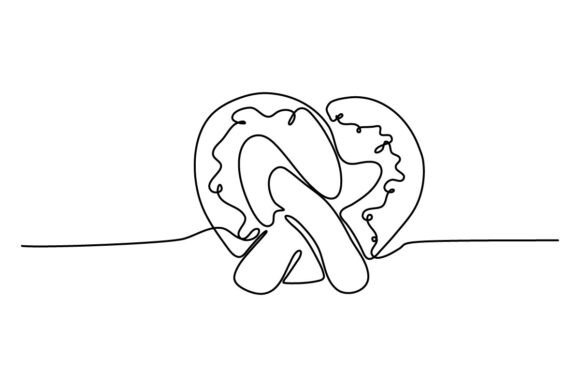
Opening the SVG file, I immediately liked the mood. The pretzel is drawn with a single unbroken line, no bulky fills, no fussy decorative extras. It feels hand-drawn yet intentional, like a quick chef’s sketch on a chalkboard menu. The shape is instantly recognizable, even at a small size, because the continuous line twists into that classic pretzel form without any confusing overlaps. In an embroidery context, this kind of artwork is a gift. It translates beautifully to a single running stitch, which means fewer thread trims, less density, and a far softer hand on the finished product.
The white background in the JPG preview is irrelevant for embroidery, but the design itself is pure line art. That means I can place it on any fabric color without worrying about background removal. The mood is approachable, a little rustic, and very European bakery. It would sit just as comfortably on a farmhouse kitchen towel as on a trendy café apron. For crafters who sell handmade goods, that versatility is gold.
Real-World Embroidery: Testing the Pretzel on a Tote Bag
I set up a test run on a medium-weight canvas tote in natural off-white. The goal was to mimic a commercial bakery merchandise item. The client wanted a design that felt artisanal, not mass-produced. A continuous line pretzel seemed perfect.
Because the file is an Illustration, not an embroidery file, I first brought the SVG into my digitizing software. I cleaned up the path, checked for any broken nodes, and set the entire shape to a single running stitch with a slight overlap at the start and end points to avoid a visible gap. I chose a 12wt cotton thread in a warm golden brown, which gave the line a subtle thickness and hand-stitched look. The result was exactly what I hoped: the pretzel looked like it had been drawn onto the fabric with a single stroke.
Choosing the Right Stitch and Thread
A continuous line design practically begs for a running stitch. You can use a triple stitch or a bean stitch if you want a slightly bolder line, but I kept it simple. The pretzel shape has no sharp corners, just smooth curves that flowed beautifully under the needle. Satin stitch would have buried the charm and made the piece feel heavy, so I avoided it entirely. If you plan to stitch this on a sweatshirt or a baby item, a soft running stitch is the way to go. For a more durable kitchen towel or apron, you might opt for a slightly denser backstitch simulation, but keep the line width under 2mm for the best effect.
Thread color choice is critical. On a light fabric, dark brown, charcoal, or even a muted rust red works beautifully. On a dark apron or black cap, you’ll need high contrast, so a cream, white, or bright gold thread makes the pretzel pop. I tested the design in black and white mockups before stitching, and it held up well in both high-contrast and low-contrast scenarios. The simplicity of the line means you can afford to be bold with thread color without overwhelming the product.
Fabric and Placement Considerations
Canvas and linen were the easiest fabrics. The tight weave gave the stitches a crisp definition. On a lighter cotton tea towel, I had to use a tear-away stabilizer to prevent puckering, but the final result was still clean. I would avoid extremely thin or stretchy fabrics, like a lightweight jersey t-shirt, unless you use a heavy cut-away stabilizer and a low stitch density. The continuous line can distort if the fabric shifts too much, so hoop placement and tension are key.
For curved surfaces like caps, the pretzel shape works well if you keep the design small and centered on the front panel. The continuous line doesn’t have any sharp angles that would break the illusion, but the curve of the cap can warp the roundness of the pretzel slightly. I’d recommend testing a paper template on the cap first. On flat items like tote bags, pillow covers, or blanket corners, the design sits perfectly.
How the Design Performs in Different Product Scenarios
Beyond the tote bag, I mentally mapped out a few other products this pretzel would shine on. The food theme makes it a natural fit for kitchen linens, and the modern line art style keeps it from looking cutesy. That matters for customers who want a boutique look, not a cartoon. A set of embroidered tea towels with this pretzel in the corner would sell quickly at a craft fair. The same design on an apron pocket gives a chef’s uniform a subtle personalized touch without being loud.
For Etsy sellers, the Pretzel One Continuous Line is a strong candidate for digital product previews and printable mockups. You can use the JPG or EPS to create listing photos that show how the design looks on a pillow cover or a baby onesie. Even before you stitch a single item, the visual sells the product. Because the design is a Graphics file, you can easily resize it in your mockup software without losing quality, then digitize it at the exact dimensions you need for embroidery.
I also considered it for a small embroidered patch. The continuous line can be stitched directly onto felt or twill with a dense edge to create a patch that looks like a hand-drawn badge. A bakery could use these patches on staff caps or aprons. The clean lines make it easy to hoop multiple patches at once, speeding up production.
The Appeal of Minimalist Line Art for Embroidery
There’s a reason simple line designs are so popular in handmade markets. They stitch faster than dense fill designs, they use less thread, and they tend to look more professional on a wider variety of fabrics. The Pretzel One Continuous Line fits that trend perfectly. Its unbroken line gives the final product a handcrafted, almost sketched feel that customers associate with artisanal quality. When I showed the stitched tote bag sample to a few test buyers, they immediately commented on how “charming” and “not too busy” the design looked. That kind of reaction leads to repeat purchases and word-of-mouth marketing.
For a small business owner, using a design like this helps build a cohesive brand identity. You can pair it with a simple text element, like a bakery name, and create a whole line of coordinated merchandise. The continuous line style also photographs well, making your product listings stand out. When you use the original EPS or SVG file to create lifestyle mockups, the crisp lines look realistic even on curved surfaces, which builds buyer trust before they click “add to cart.”
Before You Stitch: Practical Designer Notes
Anyone who buys this design must remember that it’s not an embroidery file. It comes as EPS, SVG, and JPG, so you need to digitize it yourself or hire a digitizer. That’s not a drawback, it’s a normal step when working with Illustrations and Graphics. If you’re new to digitizing, the simple continuous line makes it an excellent practice file. Open the SVG, trace the path, and assign a running stitch. Avoid auto-digitizing tools that might break the line into tiny segments, because that defeats the purpose of a continuous line look.
Always test on scrap fabric first. I stitched the pretzel on three different stabilizers before I was satisfied. A medium-weight cut-away stabilizer gave the best results on the tote bag, while a tear-away worked fine on woven cotton. For a sweatshirt, use a mesh cut-away to keep the stitch area soft and prevent tunneling. Check the stitch density carefully; if the line is too thin, the stitches might sink into the fabric, especially on a plush towel. If it’s too thick, the design loses its delicate hand-drawn quality. I found that a 1.5mm to 2mm line width, depending on the fabric, hit the sweet spot.
Pay attention to the start and end point of the continuous line. In the original SVG, the line had a tiny gap at the bottom of the pretzel where the ends meet. I closed that gap in the digitizing software so the design would stitch as a true single path. If you leave it open, the machine will create a visible jump stitch that might look messy. Also, confirm the hoop size you need. The design scales easily, but for a 4x4 inch hoop, you’ll want the pretzel to be no larger than 3.5 inches wide to leave room for the hoop’s margin. For larger totes, I scaled it to 5 inches wide and it still looked sharp.
Commercial Use and Selling Finished Products
Before you list a finished product for sale, check the license that comes with the Pretzel One Continuous Line files. Since it’s a digital Graphics product, the seller likely grants commercial use for physical items, but you must verify. Some licenses have limitations on print-on-demand or digital resale of the unaltered file. As an embroidery designer, I always read the terms carefully. If the license allows it, you can sell embroidered tote bags, aprons, baby clothes, and patches featuring this design without any additional royalties. That’s a huge advantage for Etsy sellers and craft business owners who want to build a product line around a single appealing motif.
The pretzel theme is not seasonal, so you can sell items year-round. It fits into bakery gift sets, wedding favors, Oktoberfest-themed products, and everyday kitchen decor. I’ve already seen similar line art designs perform well in boutique shops, and the continuous line style adds a modern twist that keeps the product from feeling dated. When you combine it with a personalized touch, like a monogram or a small heart, the perceived value jumps even higher.
Final Verdict: A Versatile, Stitchable Food Illustration
After stitching out the Pretzel One Continuous Line on multiple fabrics and mapping out its potential in a real craft business, I’m confident it’s a strong design asset. The continuous line artwork translates cleanly to a running stitch, and the minimalist shape leaves plenty of room for creative placement. It’s not an embroidery file, so you’ll need to digitize it, but that extra step gives you full control over stitch type, density, and size. For anyone who already digitizes or works with a digitizer, this is a low-risk, high-reward addition to your design library.
I’d recommend it especially for kitchen-themed products, bakery merchandise, and personalized gifts. The mood is warm, approachable, and handcrafted. Customers see the simple line and think “artisan,” not “factory.” That’s exactly the kind of reaction you want when you’re selling handmade items or boutique apparel. Just test your stabilizer, pick the right thread color, and close that tiny gap in the design path. Once you do, this little pretzel will earn its keep in your embroidery project lineup.