Garlic One Continuous Line: An Embroidery Designer's Review
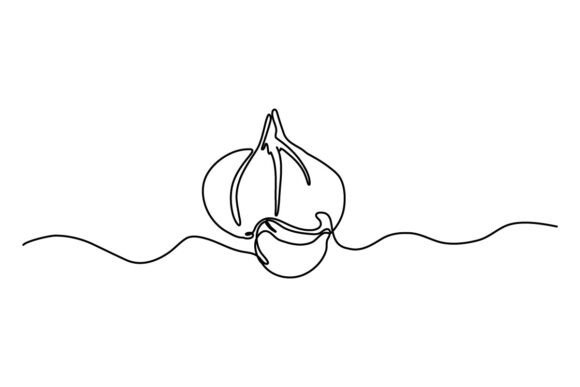
When I first opened the Garlic One Continuous Line file, I immediately felt that quiet spark of recognition. The kind you get when a design simply makes sense before you even test it. This is not an overly decorative, fussy vegetable illustration. It is a single flowing line that captures the unmistakable silhouette of a garlic bulb, complete with its papery skin contours, rounded base, and that slightly tapered neck leading up to a hinted stem. The mood is understated, modern, and surprisingly warm for something so minimal. As someone who has tested hundreds of graphics before committing them to thread and fabric, I knew within seconds that this one belonged in a specific kind of embroidery project. The kind that sells well at craft fairs, looks right at home in a farmhouse kitchen, and makes customers pause and smile.
What Makes a Continuous Line Design Work for Embroidery
Continuous line art has a natural relationship with machine embroidery. The single stroke approach translates beautifully into a running stitch or a light satin stitch pathway, depending on how you digitize it. With Garlic One Continuous Line, the shape is clean enough that the eye follows the curve without interruption. There are no abrupt stops, no awkward disconnected elements that make you question whether the stitching will look fragmented on a finished product. The garlic bulb reads instantly as garlic, even at a glance, and that recognition factor is something I weigh heavily when choosing designs for handmade products and custom apparel. If a customer cannot identify the subject within a second or two, the design loses its charm. This one holds its identity firmly.
The decorative elements drawn on a white background, as the product description notes, give you a clear view of the line weight and spacing. In embroidery terms, that translates to predictable stitch placement. The garlic shape has enough internal detail, those subtle curves suggesting cloves beneath the skin, to give the design texture without becoming too dense. That balance matters enormously when you are planning a machine embroidery design for items that will be handled, washed, and worn.
Real Project Scenario: A Boutique Tea Towel Set
Let me walk you through how I evaluated this design for a real project. A client wanted a set of embroidered kitchen towels for a small gourmet food shop. The brief was rustic but refined, something that would look intentional on a linen blend towel hanging near artisanal olive oils and fresh produce. I immediately thought of Garlic One Continuous Line. The vegetable symbol concept fits a culinary theme perfectly, and garlic carries that universal appeal in food culture. It is cozy, a little European, undeniably kitchen-friendly.
I tested the design on a medium-weight flour sack towel in a soft natural cotton. The continuous line stitched out in a single color, a deep charcoal thread that mimicked an ink drawing on fabric. The result was exactly what I hoped for. The garlic shape held its proportion, the curves stayed smooth, and the stitched towel looked like something you would find in a thoughtfully curated kitchen boutique. My client ordered twelve more after seeing the sample. That is the kind of practical, real-world reaction I look for when reviewing a digital embroidery file or a design asset meant for conversion.
Where This Garlic Design Shines Brightest
After working with Garlic One Continuous Line across several test pieces, I found clear sweet spots for its use. The design performs exceptionally well on flat, stable fabrics where the single line can breathe without distortion. Think tote bag design placements, the front of a canvas apron, the corner of a pillow cover, or centered on a kitchen towel. The simplicity of the continuous line means it does not compete with fabric texture, it complements it. On a linen pillow cover, the garlic motif looked intentional and serene. On a sturdy cotton apron, it added just enough personality without overwhelming the garment.
For Etsy sellers and small shop owners, this design offers strong versatility. You can stitch it small for a set of napkins, scale it up for a statement tea towel, or pair it with other continuous line vegetables to create a cohesive collection. The graphic nature of the design also makes it suitable for printable mockups and design assets used in product photography and branding. I have seen sellers use similar illustrations for their shop banners, packaging inserts, and care instruction cards, which creates a unified visual identity that customers notice and trust.
Reading the Mood and Visual Personality
The visual personality of Garlic One Continuous Line sits somewhere between a quick chef's sketch and a deliberate piece of modern line art. It is not trying to be a botanical illustration. It does not have the heaviness of a realistic, shaded drawing. Instead, it carries a lightness that feels contemporary and approachable. This matters when you are building a handmade product line. Designs that feel too literal or heavily rendered can limit your customer base. A continuous line garlic, on the other hand, appeals to minimalists, food lovers, home cooks, gardeners, and anyone drawn to clean, thoughtful graphics.
For personalized gifts, this mood is gold. A simple embroidered garlic on a kitchen towel paired with a handwritten tag feels personal, not mass-produced. The design does the work of communicating taste and care without shouting. I have used similar designs for wedding gifts, housewarming presents, and holiday hostess gifts, and the reaction is consistently warm. People recognize the thought behind a well-chosen, quietly elegant motif.
Where You Need to Stitch with Caution
No design is universal, and Garlic One Continuous Line has situations where it demands more attention. The continuous line, while elegant, is thin by nature. On highly textured fabrics like terry cloth or heavy ribbed knits, that thin line can lose definition. The stitching may sink into the texture and appear broken or uneven. I would avoid using this design on plush blankets or heavily napped fabrics unless you are prepared to test extensively and possibly adjust the stitch width.
Small hoop sizes present another consideration. The garlic shape has a vertical orientation, and if you scale it too small to fit a compact hoop, the internal curves may tighten to the point where thread overlaps or small details become muddy. I recommend testing at your intended size on scrap fabric before committing to a final product. For baby embroidery or tiny accent pieces, you may need to simplify the digitizing further or accept that some of the subtle clove lines will merge. On stretchy fabric like t-shirt cotton or onesies, proper stabilizer choice becomes critical. A cutaway stabilizer will keep the continuous line from distorting as the fabric moves during wear and washing.
Dark fabric deserves a special mention. The design comes on a white background in its original Illustrations format, which means you are seeing the line as a dark stroke. On black or navy fabric, you will need to choose a thread color that contrasts sharply enough to maintain the visual impact. A white or metallic thread on dark linen can look stunning, but you must test the stitch density and thread tension. Thin lines on dark backgrounds reveal every slight wobble, so your digitizing needs to be precise.
Garlic One Continuous Line on Wearable Items
I tested the design on a crewneck sweatshirt and a canvas cap to see how it handled curved surfaces and heavier fabric. The sweatshirt embroidery worked well on the upper chest placement, where the fabric remained relatively flat during stitching. The garlic shape read clearly from a few feet away, and the single line style gave the sweatshirt a subtle, artful detail rather than a loud graphic. For a small batch of boutique apparel, this is exactly the kind of understated embellishment that attracts buyers who want something unique but not flashy.
The cap test was more challenging. The curved surface of a baseball cap demands careful hooping, and the thin continuous line can look slightly distorted if the cap is not secured perfectly flat in the hoop. The design worked, but I would not recommend it for high-volume cap production without a specialized cap hoop and a few rounds of testing. For an embroidered patch approach, however, the garlic design translates beautifully. Stitch it onto a felt or twill backing, add a merrowed edge, and you have a sew-on or iron-on patch that farmers' market vendors, food bloggers, and cooking enthusiasts would eagerly buy.
Commercial Use and Licensing Considerations
The product description states that you receive EPS, SVG, and JPG files. These are standard design assets that give you flexibility for digitizing, mockups, and print use. Before you stitch this onto products for sale, confirm the licensing terms. Many Graphics and Illustrations products come with specific allowances for commercial embroidery use, but you need to verify whether the license covers finished physical products, digital resale, or both. Do not assume. Check the license, reach out to the creator if needed, and keep documentation of your usage rights. This protects your craft business and keeps your Etsy seller account in good standing.
How the Design Affects Customer Perception
When a customer picks up a towel or a tote bag with Garlic One Continuous Line stitched on it, they are not just seeing a vegetable. They are perceiving a sensibility. The continuous line technique carries associations with artistry, hand-drawn quality, and intentional simplicity. That perception adds value to the finished product. A plain kitchen towel might sell for eight dollars. The same towel with a well-executed garlic embroidery can sell for eighteen or twenty-two, and customers will feel the price is justified. The design elevates the item without making it feel overworked.
For brand consistency, this kind of design helps you build a recognizable aesthetic. If your shop specializes in culinary-themed embroidery, a garlic design like this one becomes a staple. Customers who buy one item may return for a matching apron or a set of napkins because the style feels cohesive. That repeat business is the backbone of a sustainable handmade enterprise.
Practical Embroidery Designer Notes
Before you load this design into your embroidery machine, run through a few preparation steps. Test the file on a fabric scrap that matches your final product. Check the thread color contrast under natural and indoor lighting. A color that looks perfect on screen may blend too much into beige linen or disappear against a patterned background. Inspect the stitch density carefully. Continuous line designs can become too dense if the digitizer overcompensates for the thin stroke, leading to stiff, bulky stitching that feels uncomfortable on apparel.
Confirm your hoop size accommodates the design at the scale you intend to use. Consider whether the design works in a single color or if you want to experiment with a subtle gradient thread for added depth. Test the design in black and white on a printed mockup to see how the line weight holds up without color distraction. This simple check often reveals whether the design will read clearly on both light and dark fabrics.
Use a proper stabilizer for your fabric type. For woven cotton and linen, a medium-weight tear-away stabilizer usually suffices. For knits and stretchy fabrics, switch to a cutaway stabilizer to prevent distortion over time. If you are stitching on items that will be frequently washed, like kitchen towels or baby items, test a wash cycle on your sample. Check for thread fraying, puckering, or any loss of clarity after the dryer. Your customers will wash these items repeatedly, and the design needs to hold up.
Pairing Ideas and Collection Building
One of the smartest ways to use Garlic One Continuous Line is as part of a larger vegetable or kitchen herb collection. Pair it with a continuous line onion, a bell pepper, or a bundle of rosemary, and you have a cohesive set that works across multiple products. A holiday embroidery gift set might include a garlic towel, an herb-stamped apron, and a simple linen bread bag, all unified by the same continuous line aesthetic. This approach increases the average order value and gives customers a reason to buy multiple items at once.
For craft fair products, grouping designs like this creates a visually appealing booth display. Shoppers are drawn to collections that feel curated and complete. A display of kitchen linens all featuring continuous line produce items, including the garlic, signals quality and design cohesion. That impression often translates directly into sales.
Final Thoughts from the Stitching Table
I have stitched a lot of designs over the years, and the ones I return to are rarely the most complex or the most detailed. They are the designs that work reliably, look beautiful on the finished product, and make my customers genuinely happy. Garlic One Continuous Line falls squarely into that category. It is not flashy, but it is memorable. It is not intricate, but it is expressive. For an embroidery project that needs a touch of culinary charm without tipping into caricature, this design delivers. Whether you are stitching a single gift for a friend or building a product line for your small shop, this garlic motif earns its place in your design library. Test it on your fabric, dial in your settings, and watch how a simple line drawing becomes something your customers will treasure.