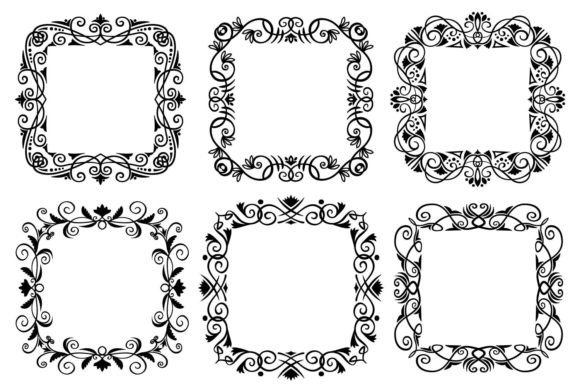
Evaluating Abstract Vintage Frames for Real Embroidery Work
Let’s talk about Abstract Vintage Frames from the perspective of someone who’s about to actually stitch them out, not just admire them on screen. When a new embroidery design lands in my library, my first question isn’t just about aesthetics—it’s about application. How will this look in thread? What kind of project does it call for? And more importantly, will it resonate with my clients or customers when it’s sitting on a finished product? I approach designs as a practical tool, a blueprint for a handmade item, and that’s exactly how I’m looking at this set.
The Immediate Mood & Where It Naturally Belongs
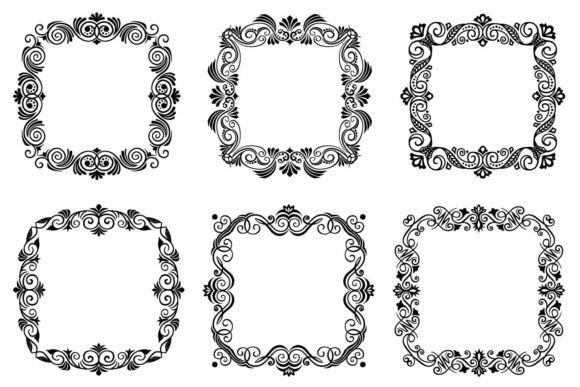
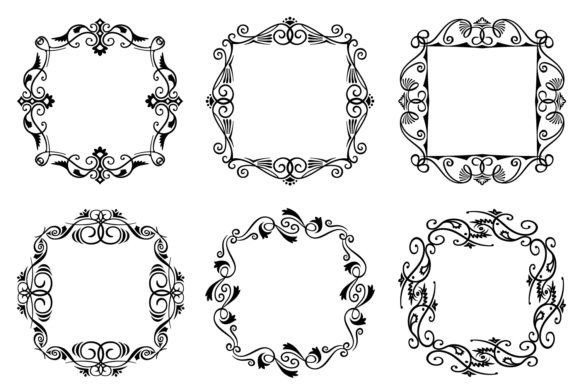
My first impression of Abstract Vintage Frames is one of elegant, understated sophistication. The linear, ornamental quality feels less like a rigid border and more like a delicate, hand-drawn flourish. It creates a mood of curated luxury, but in a quiet, timeless way—not flashy or overly ornate. This is a design that whispers rather than shouts. That visual personality tells me it doesn’t belong on loud, casual apparel. Instead, I immediately picture it on a high-quality cotton pillow cover for a boutique, a linen tea towel in a gourmet kitchen set, or as a subtle branding element on the corner of a small shop’s tote bag. It feels perfect for projects where the recipient values craftsmanship and a refined aesthetic, like a wedding gift or premium nursery decor.
Performance in Real-Life Embroidery Scenarios
Okay, so where does Abstract Vintage Frames actually perform well? Let’s walk through a typical scenario. Imagine I’m preparing a batch of custom embroidered tote bags for a local bookstore. They want something elegant to elevate their brand. This design, with its copy space, is ideal. I can stitch the frame beautifully around their logo or a clever text quote. The linear nature means it won’t become a bulky, heavy stitch area that makes the bag stiff—a practical win. On a sweatshirt, I’d be more selective; a smaller frame version could work beautifully as a subtle chest detail, but I’d avoid large, dense applications on stretchy fleece.
For baby embroidery on a keepsake blanket or a delicate cotton romper, the elegant lines could create a gorgeous heirloom piece, provided I scale it appropriately and use soft threads. As an embroidered patch, it has potential for unique, vintage-style badges, but the detail in the corners would need careful testing to ensure clarity when stitched small. In holiday embroidery, think of it for a monogrammed linen napkin set or a personalized pillow cover—it lends a gift-ready polish that feels special and intentional.
Where Caution and Testing Are Essential
This is where the designer’s mindset shifts from “looks nice” to “will stitch well.” With any elegant, linear design like Abstract Vintage Frames, the devil is in the details. On small hoop sizes, those intricate corners and flourishes could blur into a muddle if the stitch density is too high or the satin stitch width is too narrow. I would never run this on a textured fabric like a loose-knit sweater without extensive testing; the lines could lose their crispness. Similarly, on very dark fabric, the contrast needs to be perfect—a pale thread on black might make those fine lines pop beautifully, but a poorly chosen color could render them invisible.
Applying it on curved surfaces like caps is a challenge. The frame’s geometric elegance might warp or distort unless the design is expertly adapted. And for products destined for frequent washing, like kitchen towels or aprons, the stitch integrity of those fine lines is paramount. A robust stabilizer and high-quality thread become non-negotiable to maintain that luxury look over time. This isn’t a design you slap on any project; it’s one you match thoughtfully to a fabric and purpose that can honor its detail.
The Impact on Your Product & Your Customer
Choosing a design like this for your craft business or personalized gifts isn’t just about decoration; it’s about communication. When stitched well, Abstract Vintage Frames elevates the perceived value of the item instantly. It signals care, attention to detail, and a designer’s eye. For an Etsy seller, this boosts customer trust—the finished product looks professional and considered, not generic. It enhances brand consistency if you use it across a line of products, creating a recognizable, elegant signature.
The “copy space” aspect is a huge practical asset for engagement. It invites customization, making the customer feel part of the creation process. Whether it’s framing a name on a baby gift or encircling a special date on a anniversary pillow, that interactive element increases the item’s giftability and emotional weight. In a marketplace crowded with simple text, a well-executed vintage frame can make your small shop product stand out as a thoughtful, design-aware purchase.
Practical Notes from the Embroidery Hoop
Before I ever load this digital embroidery file for a real client project, my process is methodical. First, I stitch it out on scrap fabric—the exact fabric I plan to use for the final product. This tells me everything: how the thread colors interact with the background, whether the stitch density causes puckering, and if those small decorative accents hold their shape. I test it in both light and dark background mockups, even simple black and white, to judge its versatility.
I confirm the physical hoop size needed for the version I want to use. I inspect the smallest details in the stitched sample—are the corners clean? Do the lines flow smoothly without awkward jumps? I always use, and recommend, the proper stabilizer for the fabric type; this design’s elegance is fragile and depends on good technical execution. Finally, and crucially for any commercial embroidery or selling of finished items, I verify the licensing terms of the design. As this is a graphics collection under illustrations, it’s essential to understand the permitted use for both physical products and digital product previews before it becomes part of my business assets.
Abstract Vintage Frames is a design set with significant potential for those who work with intention. It’s not a universal, everyday doodle; it’s a specialized tool for creating products with a quiet, luxurious handmade presentation. Its success hinges entirely on the embroiderer’s skill and thoughtful application—match it to the right project, execute it with care, and it will reward you with a finished product that feels genuinely refined and purposefully made.