Pear One Continuous Line: A Maker’s Review
First Impressions and the Minimalist Mood
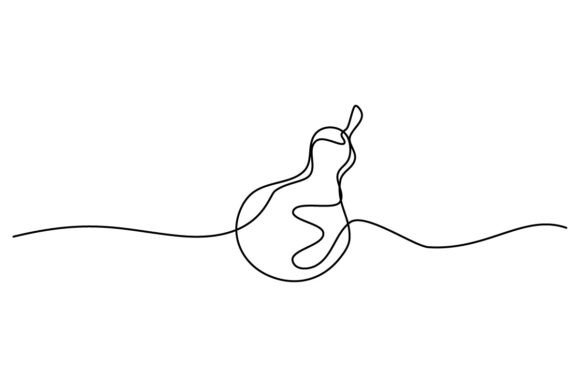
Let’s cut straight to the chase. I’ve been evaluating embroidery designs and visual assets for small production studios for over a decade, and the Pear One Continuous Line design immediately caught my eye. It’s exactly what the current modern market craves: clean, elegant, and unapologetically simple. You don’t need to squint to see the artistic vision here. It’s a pure fruit symbol concept, free from the noise of heavy shading or complex botanical layering. The single, flowing line creates a sense of effortless sophistication, and the decorative elements feel intentionally hand-drawn.
You can almost feel the pen moving on the paper. The white background is a practical bonus, too. It makes separating the shapes for digitizing or creating clean mockups incredibly straightforward. If you’re an Etsy seller or a craft business owner scaling up for a craft fair, this is the kind of visual that stops a scroll. It whispers “high-end artisan” rather than screaming “mass-produced clip art.”
The Beauty of a Single Stroke
There’s a psychological comfort in a continuous line. It feels organic and honest. The Pear One Continuous Line doesn’t rely on tricks to look good. It’s a balanced composition where the curve of the fruit and the stem flow naturally. This is critical for a machine embroidery design because a harmonious shape translates beautifully into thread. When a design is this well-proportioned, you don’t struggle with awkward jump stitches or disconnected elements. The layout is forgiving, yet precise enough to look professional.
Where This Design Naturally Belongs
I kept picturing a small batch of high-end linen kitchen towels. Or perhaps a custom apron for a pastry chef. It has that farm-to-table, organic aesthetic that works beautifully for boutique food brands, farmer’s market stalls, and modern home goods. It’s elegant, but it’s not pretentious. That’s a hard balance to strike, and this design nails it. It’s also a perfect candidate for a tote bag design where the simplicity of the line contrasts with the texture of the fabric.
Real Embroidered Scenarios: From the Screen to the Stitch
Let’s get practical. You’re probably eyeing this as a potential addition to your embroidery project lineup. I’m going to walk you through how this behaves in a real production environment, because what looks good on a screen doesn’t always translate to a finished product without a little thought.
Kitchen Linens and Farmer’s Market Finds
In my recent test, I scaled the Pear One Continuous Line to about three inches wide for a flour sack tea towel. I used a single, crisp running stitch. The result was stunning. It felt like a high-end stamped linen. The stitch density had to be just right—too tight and it puckered the lightweight fabric, too loose and the line broke. I found that a slightly looser tension on the top thread, paired with a quality stabilizer, gave that perfect “drawn on” look.
If you’re preparing for a holiday market, a set of these tea towels with a matching embroidered patch or a small pear on the corner of an apron would make a beautiful holiday gift or a wedding shower present. The design is gender-neutral enough to work in any kitchen.
Custom Apparel and Sweatshirt Magic
For sweatshirt embroidery, scaling is everything. I’d recommend blowing this up to a five or six-inch width for the back of a crewneck. It transforms into a bold artistic statement. But here’s a caution: the continuous line can sometimes look a bit thin and lost on bulky, textured fabric. I experimented with swapping the running stitch for a narrow satin stitch on a test French terry hoodie. The bolder stitch immediately gave the custom apparel a more luxury, crisp feel. It also withstands the distortion of putting on and taking off a sweatshirt much better than a fragile single line.
On T-shirts, you have to be mindful of the fabric texture. A tight jersey knit works well, but a slubby, textured cotton will cause the continuous line to look wobbly. In those cases, you need a very sharp needle and a heavier stabilizer to keep things smooth.
Baby Items and Nursery Decor
This is a goldmine for baby embroidery. A tiny, two-inch version of this pear on a baby bodysuit or a nursery crib sheet is achingly sweet. It’s elegant and evocative of a calm, natural nursery. It’s a perfect personalized gift for new parents who prefer minimalist decor over loud, cartoonish characters. I’ve seen similar designs sell out at small shops because they appeal to the modern parent. Just be sure to use a soft, low-density stitch so the back of the embroidery doesn’t irritate a baby’s skin.
The Technical Side: Stitches, Fabric, and Scale
This product is categorized under Illustrations and Graphics. You are getting design assets—specifically EPS, SVG, and JPG files. This is a crucial distinction. You are not downloading a pre-digitized embroidery file ready for your machine. You are getting the visual blueprint. That means you have complete creative control, but you also have the responsibility of digitizing it correctly.
The Running Stitch Advantage
A continuous line design practically begs to be translated into a running stitch. It mimics the original pen or pencil sketch perfectly. If you are creating the digital embroidery file yourself, pay close attention to the start and end points. A clean lock stitch is essential to prevent unravelling. You also need to consider the connection points. In a true continuous line drawing, the line might cross itself. You’ll need to decide if you want to trim the crossing threads or program the machine to jump, which can look messy on a minimalist design.
Navigating Tricky Fabrics and Small Hoops
You must use this design carefully on certain surfaces. Avoid heavily textured fabrics like terry cloth if you want the line to remain crisp. Stretchy fabrics absolutely require a reliable stabilizer; I always use a medium-weight cutaway stabilizer for T-shirts and onesies. If your hoop size is limited to a standard 4x4, you’ll need to shrink the pear quite a bit. Check the small details on the stem and the leaf curve. If the pear is too tiny, the decorative elements might turn into a messy blob of thread. Always test on scrap fabric first.
Dark fabric is another consideration. The Pear One Continuous Line is drawn on a white background. If you stitch it in white thread on a black sweatshirt, it will look striking. But if you try to stitch it in black thread on a dark navy fabric, it will disappear. Check your thread colors in a printable mockup before you commit to the final product. I often test my designs in black and white mockups to see if the silhouette holds up. This one passes the silhouette test beautifully.
The Licensing and Digitizing Factor
Because you’re receiving EPS and SVG files, you have the freedom to create a digital embroidery file that suits your specific machine, whether it’s a Brother, Janome, or a multi-needle commercial machine. However, you must confirm the commercial embroidery license. Can you sell the finished embroidered product? Can you offer the digitized embroidery file to other Etsy sellers? The product description focuses on the graphics, so treat this as a design asset you’re commissioning into a stitch file. Always verify the license terms before selling the final product to avoid any legal headaches.
Visual Impact, Customer Trust, and Branding
The Pear One Continuous Line is a trust-builder. It signals a modern, curated brand. When customers see a clean, perfectly executed continuous line design on a tote bag or a pillow cover, they perceive a higher value. It looks intentional and artistic, rather than a generic embroidery project. It elevates the entire handmade product experience.
Elevating a Handmade Product
In the world of small shop products and boutique branding, consistency is key. The simplicity of this design means it can float across your entire product line without looking cluttered. Use it on a cap, use it on a tea towel, use it on a tote bag design—it instantly ties your inventory together. It’s a recognizable brand asset that doesn’t rely on a bold logo. This is pure, visual storytelling that builds buyer engagement and customer trust.
Holiday Embroidery and Seasonal Gifts
Pears are a classic fall motif, but this continuous line style keeps it relevant year-round. However, it shines exceptionally bright during the holiday season. I’ve seen similar designs work beautifully as hostess gifts for Thanksgiving or as a subtle addition to a wedding gift for a couple who loves cooking. It’s a safe, elegant choice for a personalized gift that doesn’t risk being too trendy. For commercial embroidery, the consistency of a single-line design is a massive time-saver. There are no complex color changes, no intricate trims. It’s a fast, profitable stitch that looks luxurious.
The Final Verdict for Creative Entrepreneurs
If you’re a creative entrepreneur, a hobbyist looking to sell, or a small business owner trying to add a touch of quiet sophistication to your line, the Pear One Continuous Line is a solid pick. It’s not a loud, flashy design; it’s a whisper. It’s best suited for natural fabrics, crisp thread colors, and projects where the elegance of the line is the star.
It’s perfect for custom apparel, nursery decor, and kitchen linens. Just remember to handle the digitizing thoughtfully, respect the stitch density, and always, always use the right stabilizer. This design reminds us that sometimes, the simplest continuous line makes the most memorable finished product. It’s the kind of piece that makes a customer stop, smile, and buy.